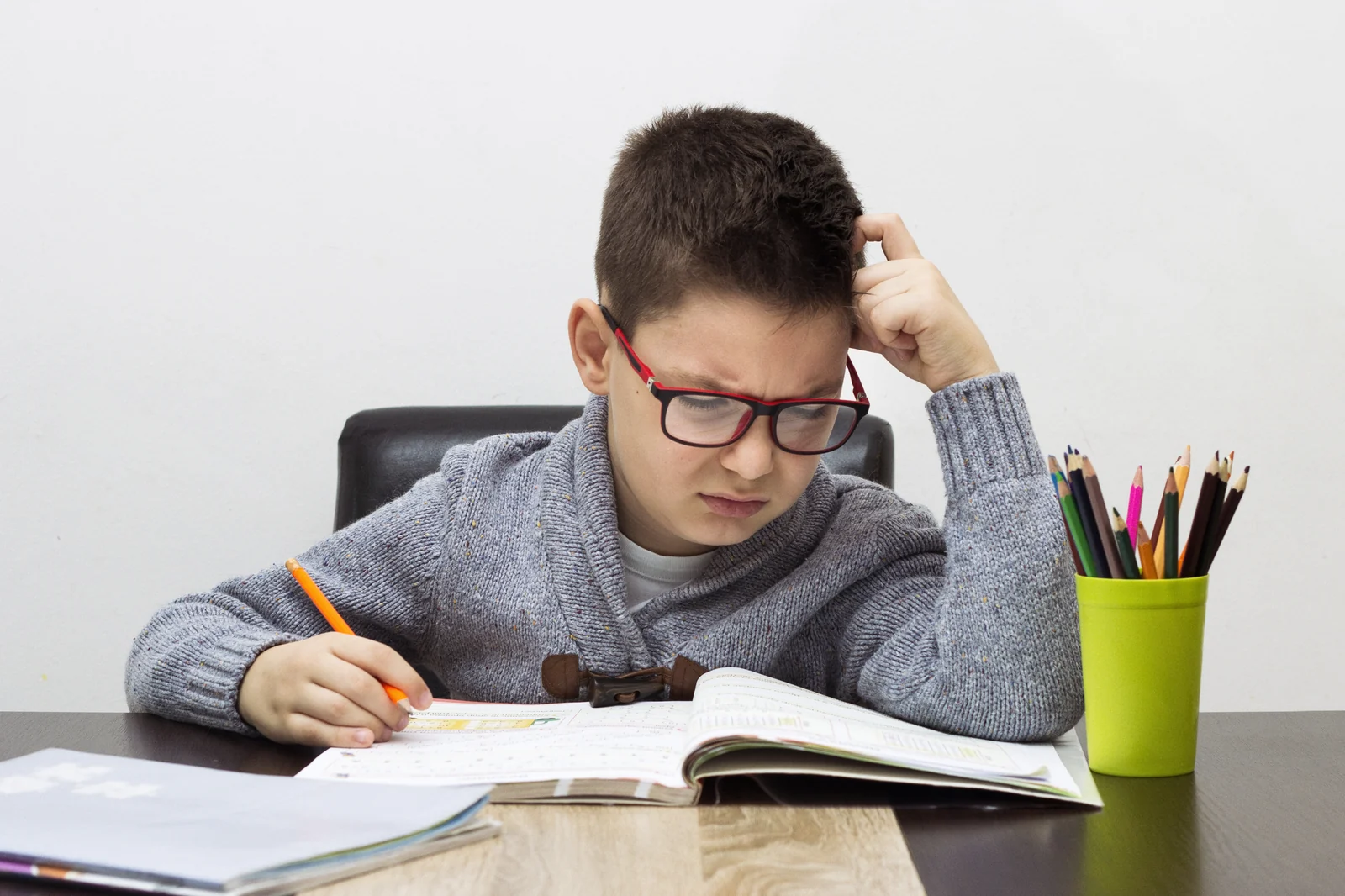
Speech and Language Disorders

At DSC, we never treat a symptom before understanding the system that produced it. Assessment and differential diagnosis determine whether the difficulty lies in articulation and phonology, motor-speech planning or execution, language, fluency, voice and resonance, social communication, hearing, or cognitive communication — and whether it is primary or linked to a developmental, neurological, auditory, cognitive, or psychological condition.
Based on this profile, we select the most suitable evidence-based intervention.
This may include articulation or phonological therapy, motor-speech and Childhood Apraxia of Speech interventions, fluency therapy, language and pragmatic interventions, voice therapy, or Augmentative and Alternative Communication (AAC), together with family and school training and medical, audiological, psychological, and educational coordination as needed.
Success is never measured within the session alone. We track whether improvement carries over into clarity of speech, fluency, comprehension, expression, functional communication, learning, relationships, participation, and independence, against a baseline and measurable goals with continuous reassessment. Every test answers a clinical question, every intervention targets a specific mechanism or need, and sessions that show no benefit are not continued.
From the first question to continuous growth — high-value, clear-outcome services
Entry point: choose the domain and case → brief guidance consultation → identify the best-fit pathway
Special Needs • Mental Health • Education • Innovation • Institution


Suggested Packages
Start with understanding.